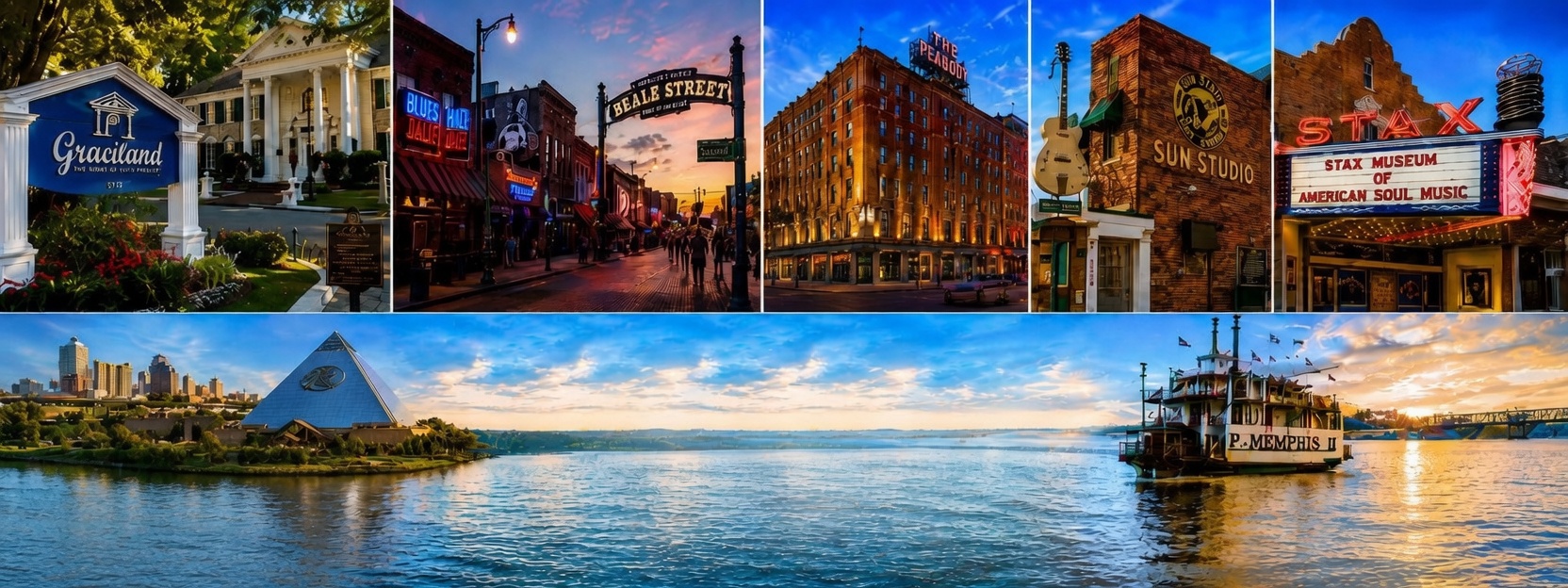
Class is out for the day — here's where to spend the evening. Every stop below is a Memphis original: pick one, pick a few, or work your way down the whole list during your week in the city.
Tunica Casinos
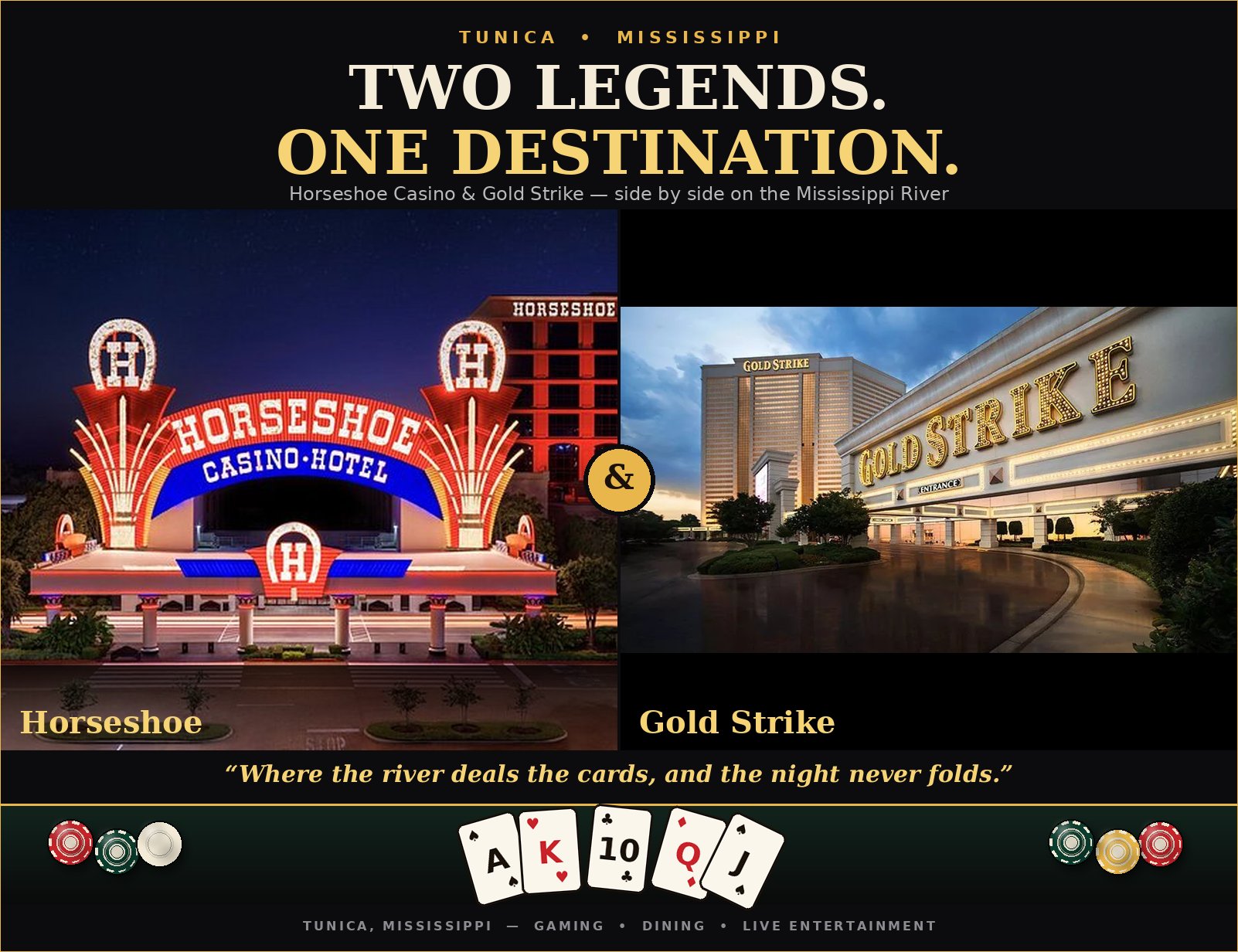
Where the Mississippi meets the neon lights — Tunica is a short drive from Senatobia and home to two standout casinos. Horseshoe Casino & Hotel brings high-energy gaming and live entertainment under its landmark marquee, while Gold Strike offers a more polished casino floor with upscale dining and accommodations. Try your luck at the tables, catch a live show, or just take in the river-town atmosphere.
Graceland
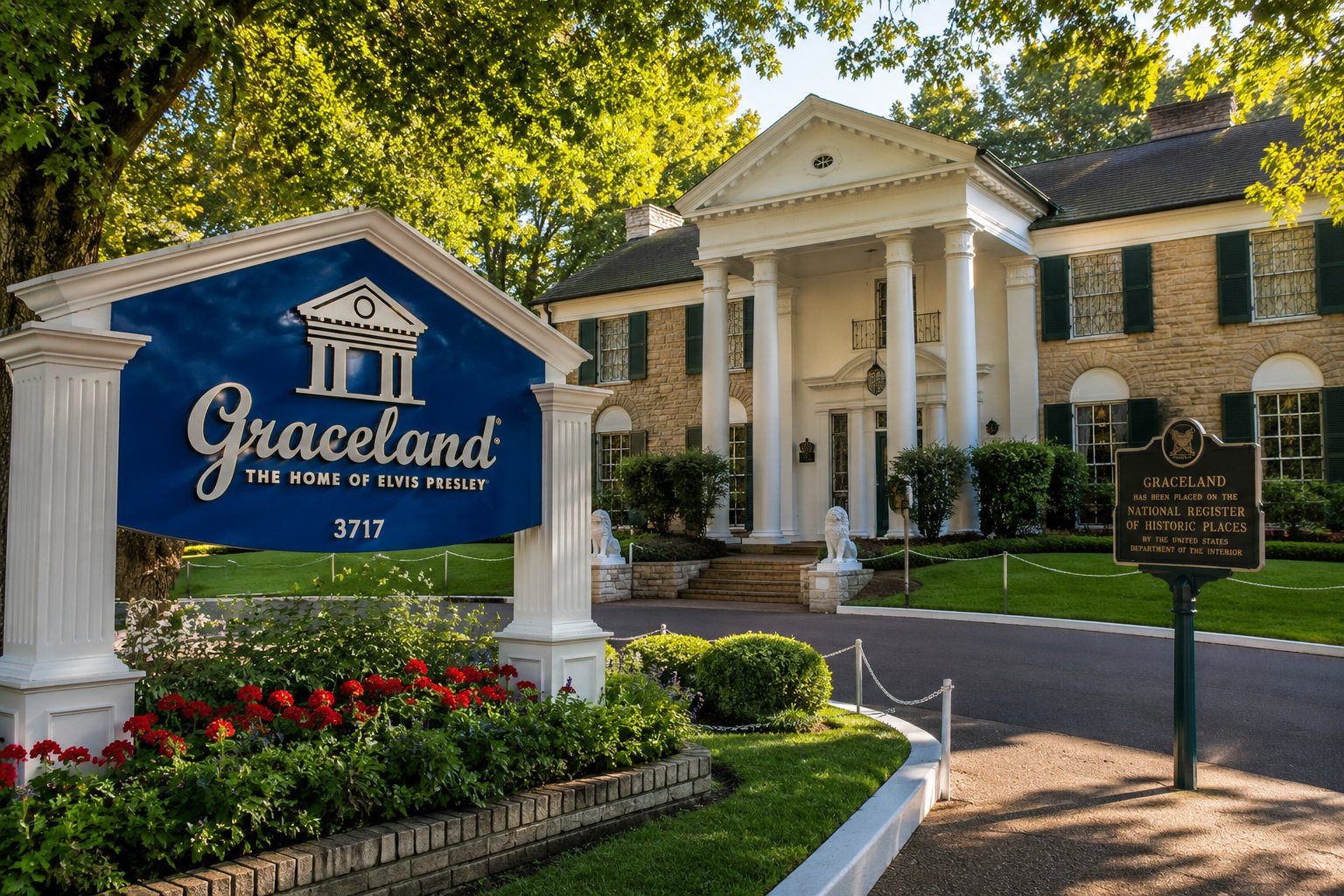
The home of Elvis Presley, and one of the most visited houses in America. Elvis bought the mansion in 1957 at just 22 years old, and it stayed his private retreat through the rise of his career. Tour the famous Jungle Room, see his cars, costumes, and gold records, and get a look at the man behind the King of Rock ‘n’ Roll. A must for music lovers, pop culture fans, and anyone curious about the legacy that still draws visitors from around the world.
Memphis Pyramid
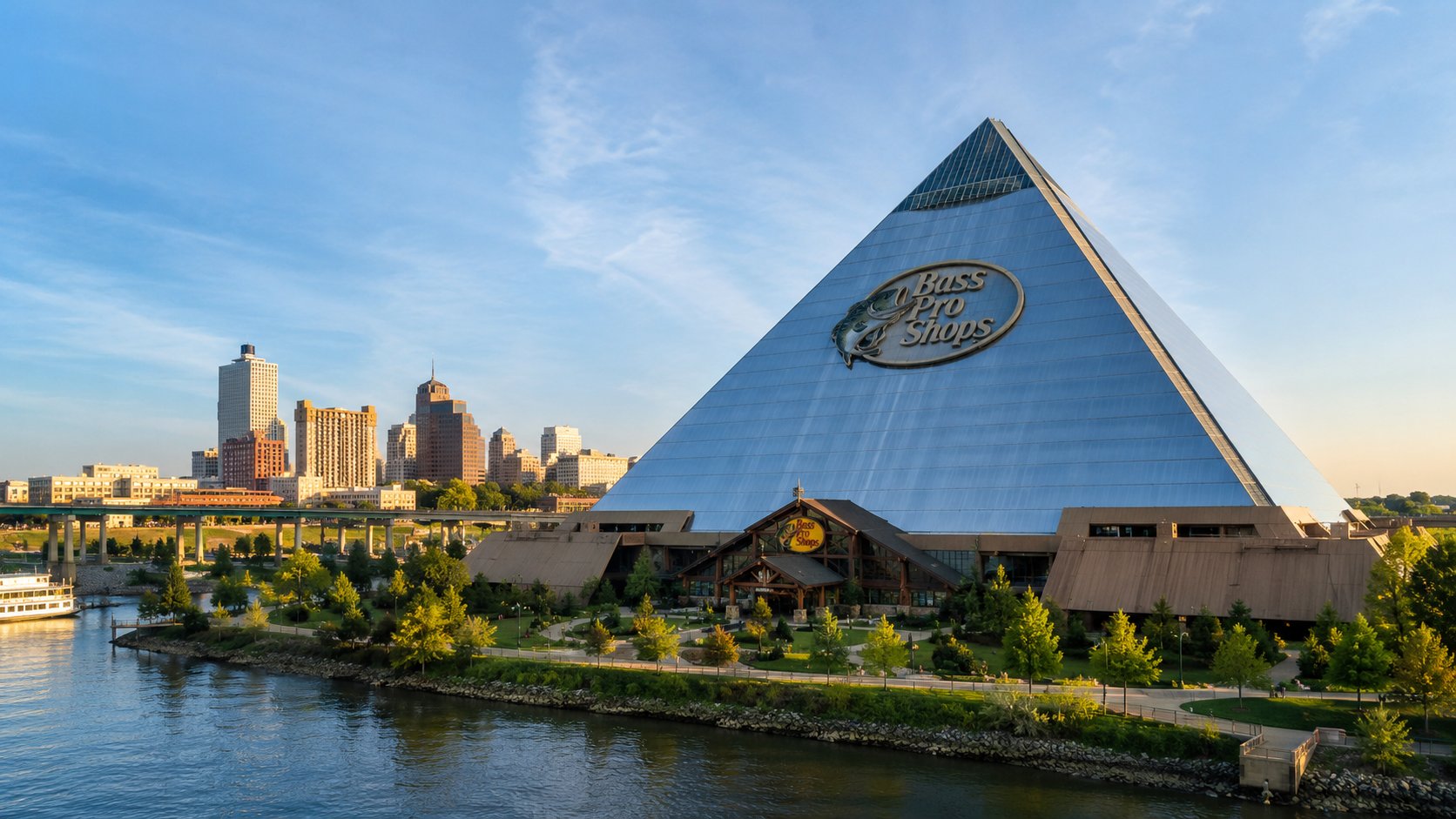
One of the most unusual landmarks on the skyline. Built in 1991 as a sports and entertainment arena, it hosted basketball games, concerts, and boxing before being reborn as Bass Pro Shops at the Pyramid — complete with cypress trees, water features, a hotel, and a glass elevator that rides up to an observation deck with sweeping views of downtown and the river. Equal parts architecture, history, and pure Memphis oddity.
Memphis Riverboats
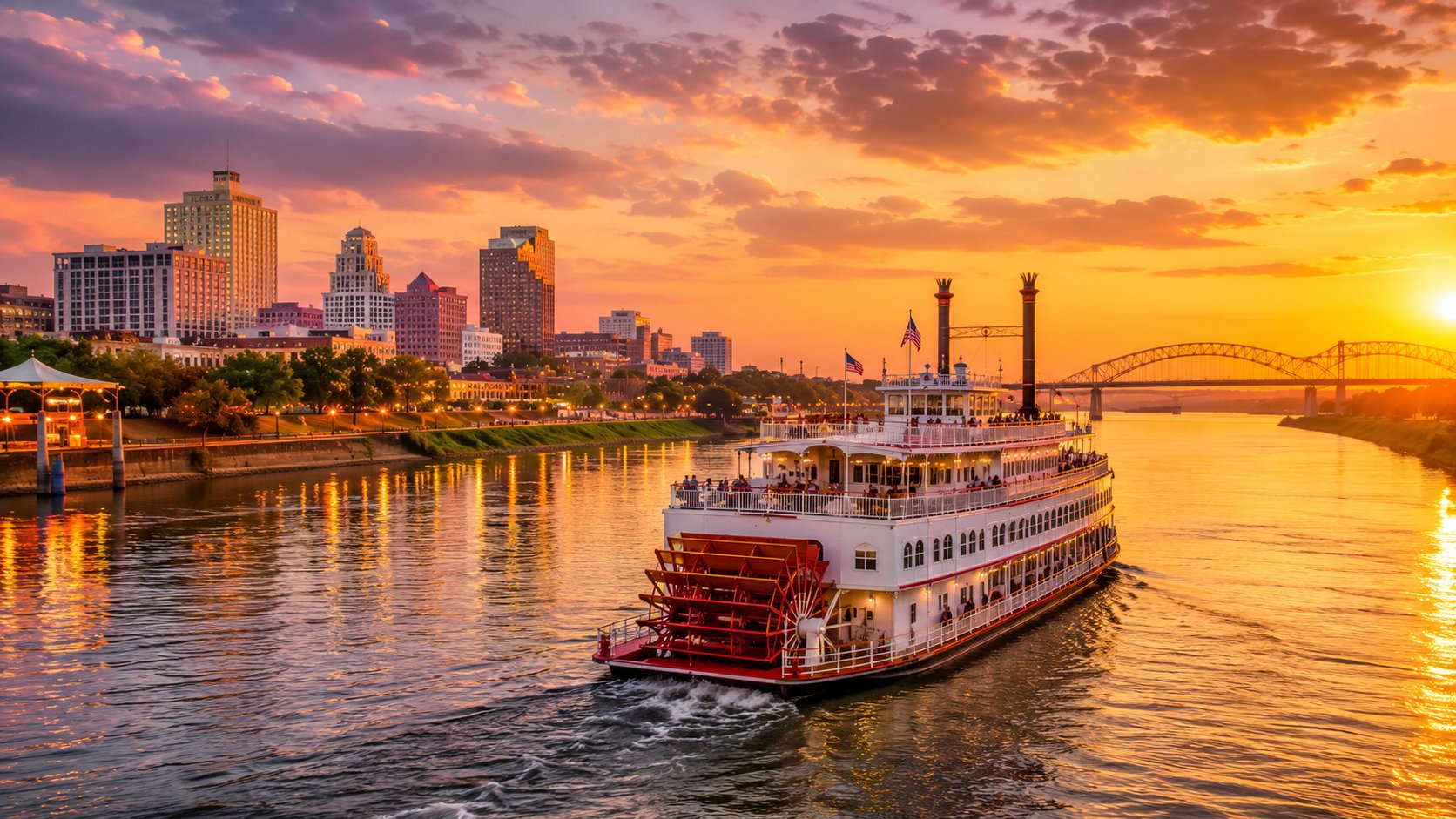
A classic paddlewheel cruise on the Mississippi, and one of the best ways to see Memphis from the water. Memphis Riverboats has run sightseeing cruises since 1955, taking guests past the downtown skyline, the bridges, riverfront parks, and Presidents Island while sharing the river's history as a trade and travel route that helped build the city. Relaxed, scenic, and a genuine slice of old river life.
Peabody Hotel
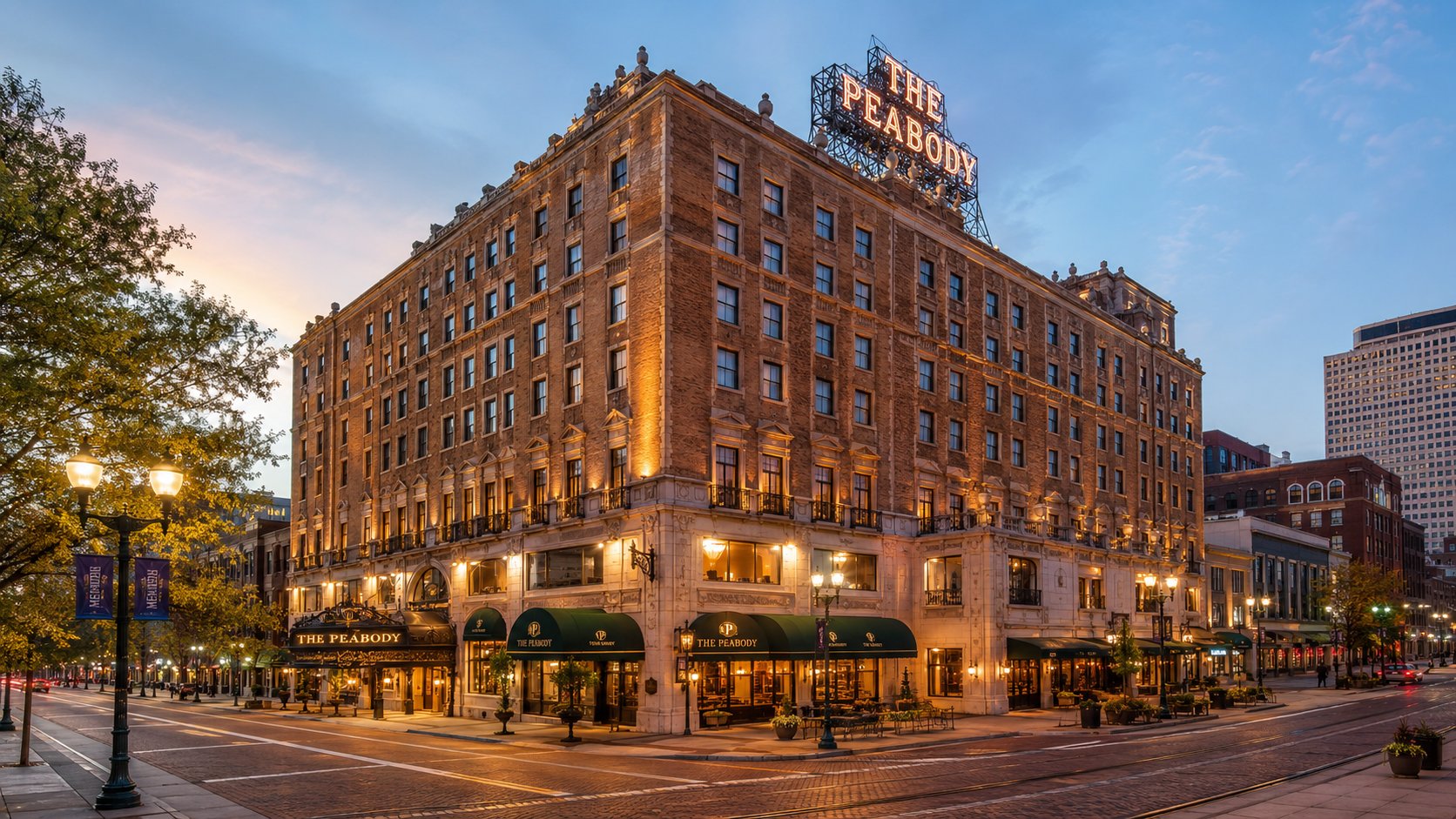
Known as the "South's Grand Hotel," the Peabody has been a downtown Memphis institution since 1925. Come for the grand lobby and old-world architecture, stay for the world-famous Peabody Ducks — a tradition dating to 1933, when the hotel's Duckmaster leads the ducks on their red-carpet Duck Walk to and from the lobby fountain each morning and afternoon. Equal parts elegance and pure Memphis charm.
Beale Street
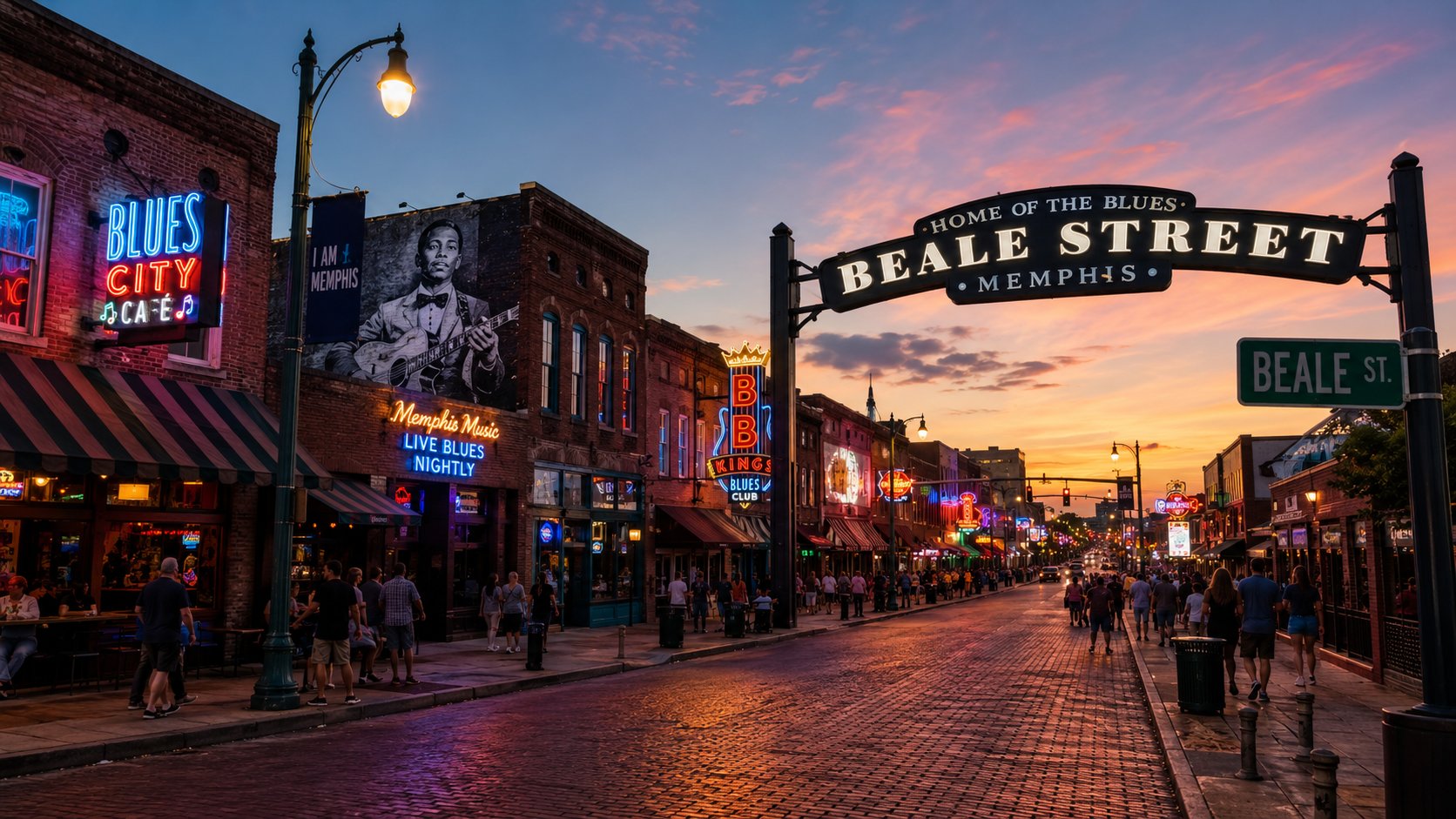
Known worldwide as the "Home of the Blues." Beale Street dates back to 1841 and became the heart of Memphis music and Black business and culture, where blues legends like B.B. King, Albert King, Memphis Minnie, and Howlin' Wolf made their name (B.B. King's own nickname started as "Beale Street Blues Boy"). Today it's still lined with live music clubs, neon signs, and Southern food — a can't-miss for anyone who wants a real taste of Memphis after dark.
Stax Museum of American Soul Music
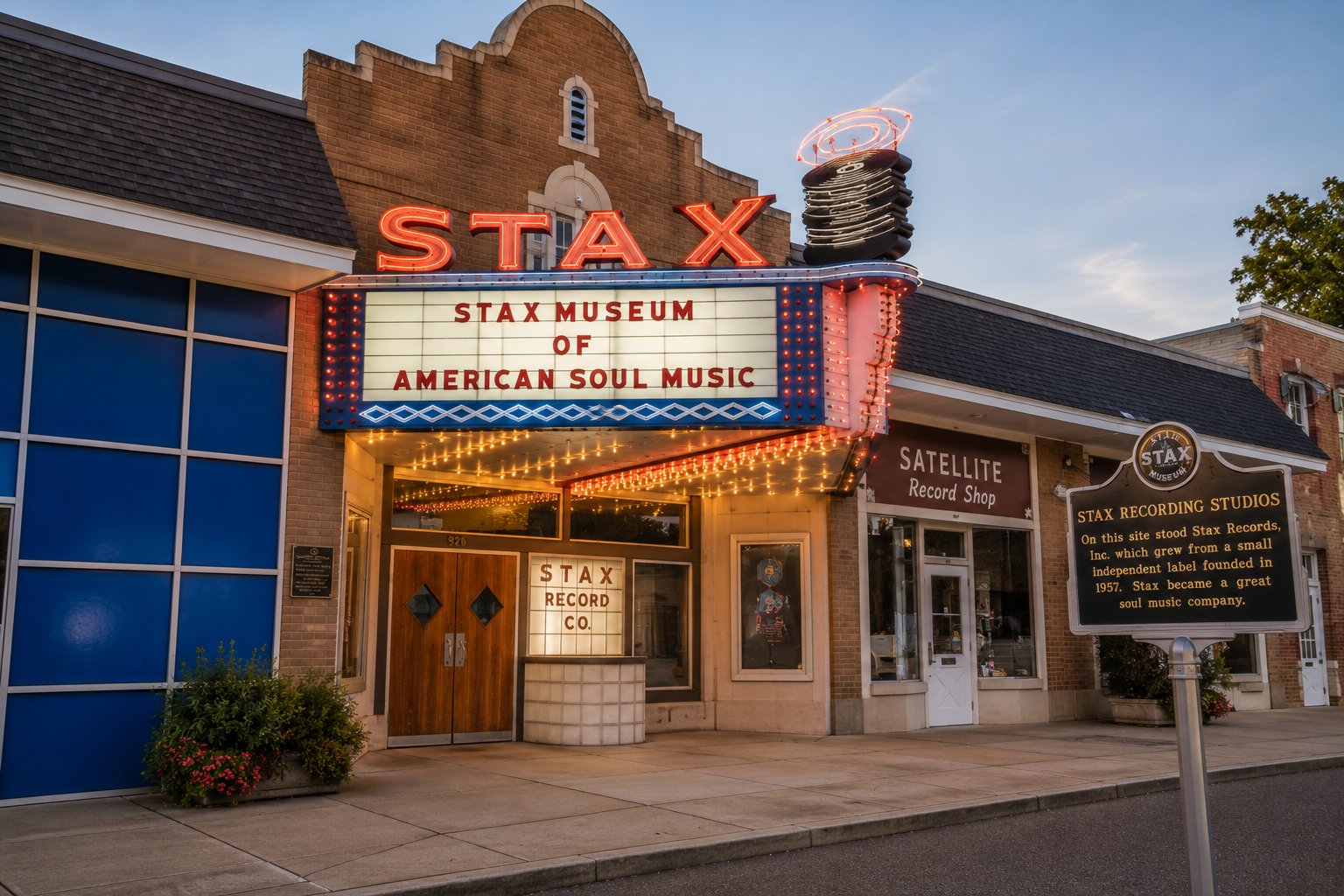
Built on the original site of Stax Records, founded in 1957 and named for founders Jim Stewart and Estelle Axton. Where Sun Studio shaped rock ‘n’ roll, Stax defined soul — the raw, gritty sound behind Otis Redding, Isaac Hayes, Booker T. & the M.G.'s, Sam & Dave, and Rufus Thomas. Black and white musicians worked side by side here through the segregated South, and the museum's exhibits, instruments, and stage costumes bring that Soulsville, U.S.A. energy to life.
Sun Studio
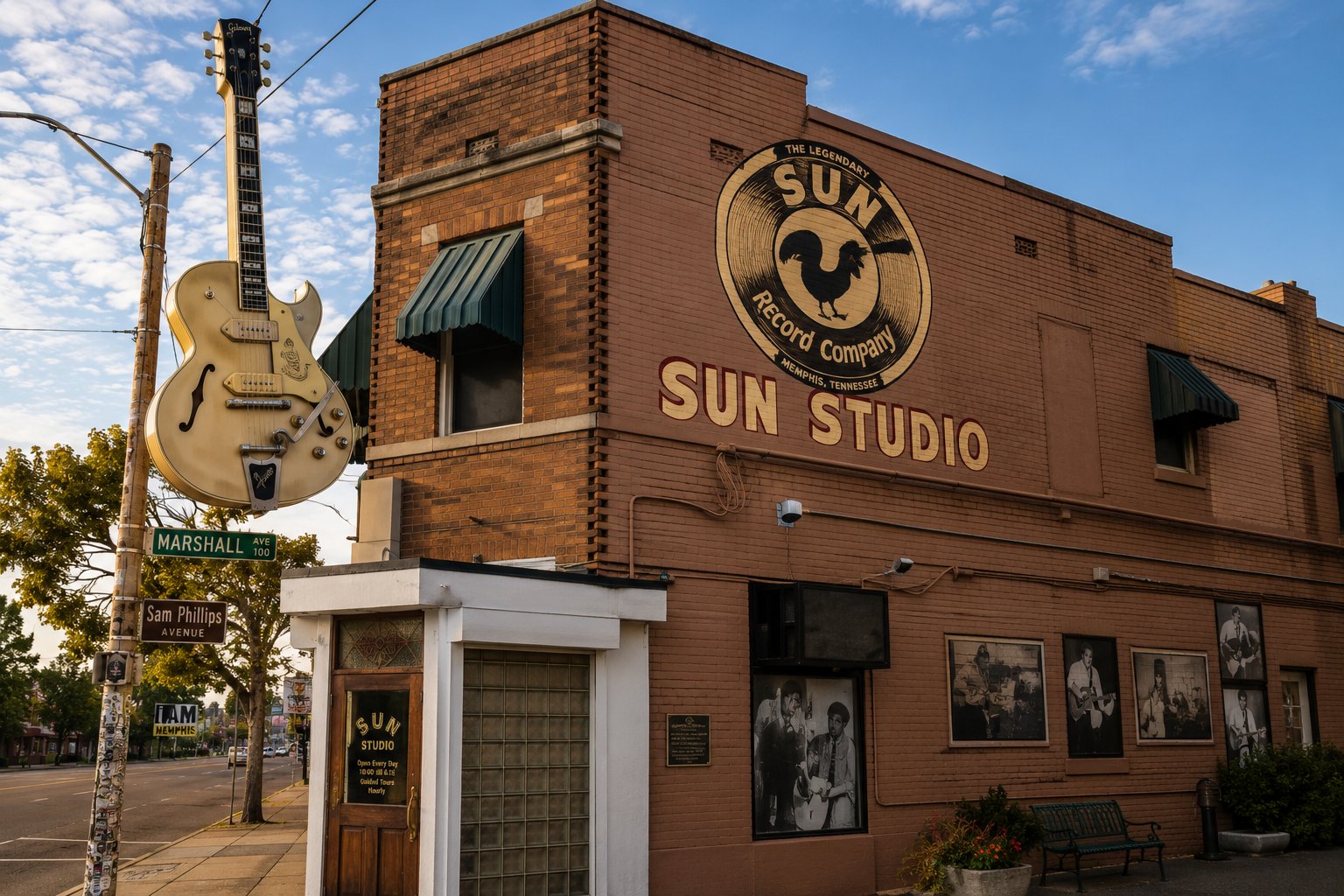
The "Birthplace of Rock ‘n’ Roll." Sam Phillips opened it as the Memphis Recording Service in 1950, and it became Sun Studio in 1952 — recording Elvis Presley, Johnny Cash, Jerry Lee Lewis, Carl Perkins, and more. In 1956 four of those artists ended up jamming together in one legendary session now known as the Million Dollar Quartet. Still a working studio, so you're standing where the history actually happened.
National Civil Rights Museum
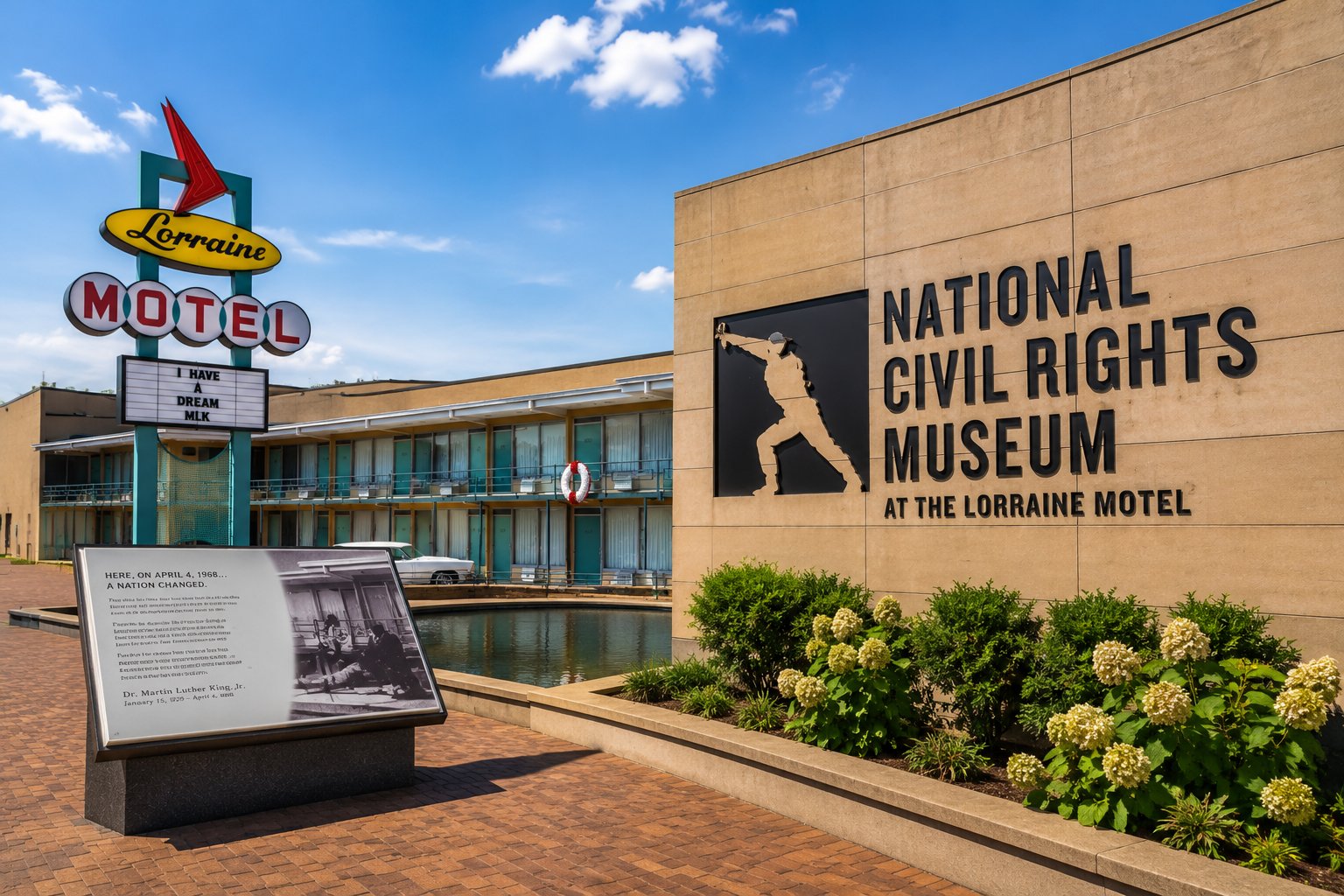
Housed at the historic Lorraine Motel, where Dr. Martin Luther King Jr. was assassinated on April 4, 1968, while in Memphis supporting striking sanitation workers. Inside, exhibits trace the full arc of the movement — from slavery and Reconstruction through Jim Crow, the Montgomery Bus Boycott, sit-ins, Freedom Rides, and the fight for voting rights — through artifacts, photographs, film, and oral histories. A moving, essential stop for reflection and understanding.
BROOKS MUSEUM OF ART
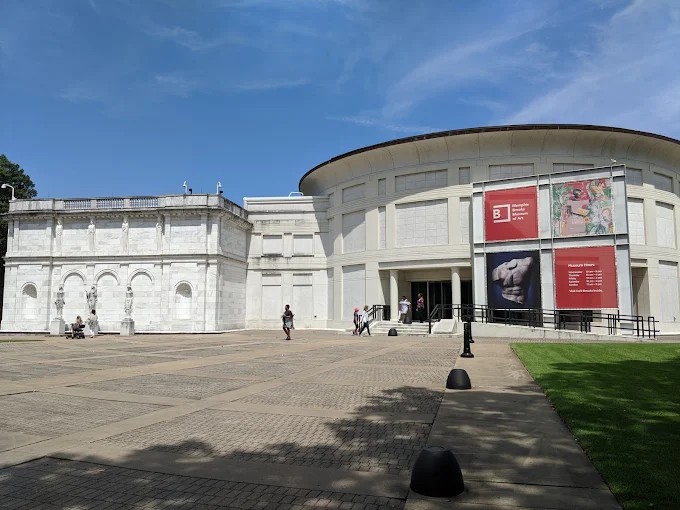
Tennessee's oldest and largest art museum, founded in 1916 in Overton Park through a gift from Bessie Vance Brooks in memory of her husband. The Beaux-Arts building, a National Historic Landmark, now holds more than 10,000 works spanning ancient art, Italian Renaissance and Baroque paintings, and contemporary pieces. A great stop for anyone who wants a break from the music-and-history circuit for something more classically cultural.
MEMPHIS BOTANIC GARDEN
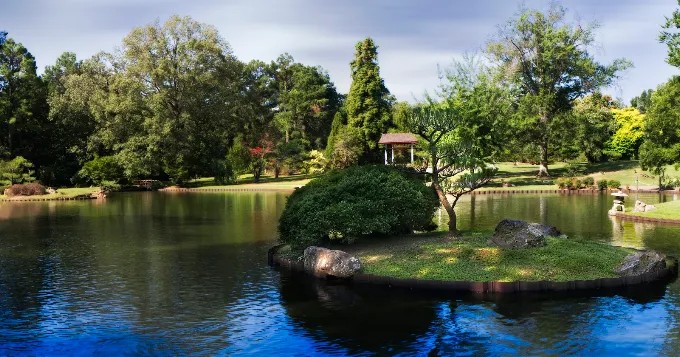
A 96-acre garden in East Memphis with 30-plus specialty gardens, including a Japanese Garden of Tranquility, an iris garden, and Daffodil Hill's hundreds of thousands of spring blooms. It's been growing since 1953 and is now a certified Level 4 arboretum with more than 170 tree species. A calm, scenic option for students who want fresh air and green space after a week of classes.
The Orpheum Theatre
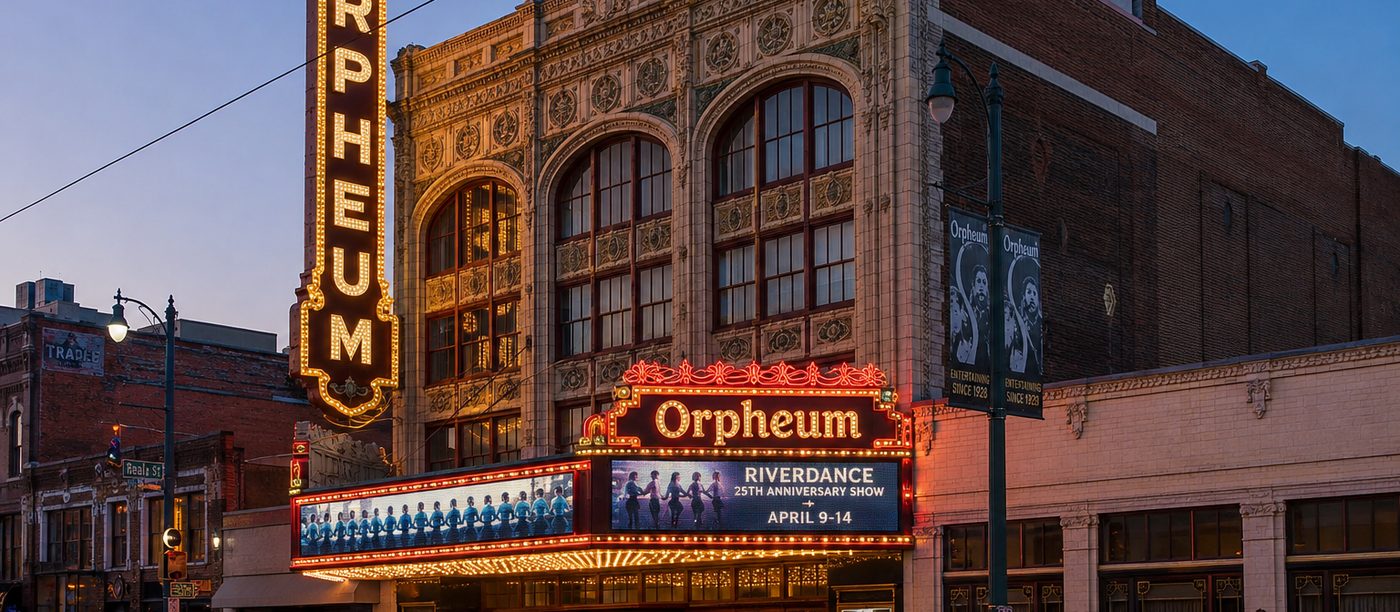
The grand dame of Beale Street. An opera house opened on this corner in 1890, burned to the ground in 1923, and was rebuilt five years later as a movie palace — twin crystal chandeliers, gilded box seats, and a Mighty Wurlitzer organ that still plays before shows. Saved from demolition and restored in the 1980s, it now hosts touring Broadway productions, concerts, comedians, and a summer classic film series. Even if nothing is booked the night you visit, the marquee at Main and Beale is worth the walk.